When you think of a gift hamper, images of glossy boxes, shiny ribbons, and fragrant candles often come to mind. But what if the packaging itself could be as delightful as the goodies inside? Eco‑friendly packaging for sweet gift hampers offers a way to keep the world smiling while still celebrating special moments. In this article, we’ll explore why sustainability matters, how to choose the right materials, and practical tips that turn every hamper into a green triumph.
Why Eco‑Friendly Matters
Environmental Impact
The packaging industry accounts for a staggering amount of waste. A single luxury hamper can generate over a kilogram of discarded cardboard, plastic, and foil. By opting for biodegradable or recycled materials, businesses can slash landfill contributions and reduce carbon footprints. Imagine a hamper that, after the last chocolate square is devoured, melts into compost rather than a stubborn plastic pile.
Consumer Expectations
Today’s shoppers are more eco‑conscious than ever. A recent survey found that 68 % of consumers are willing to pay a premium for sustainably packaged products. They’re not just buying a hamper; they’re buying a statement. If your brand embraces green packaging, you signal that you care about the planet as much as you care about taste.
> “Sustainability is not a trend; it’s a responsibility,” says Dr. Maya Patel, environmental strategist.
>
> — Dr. Maya Patel
Rhetorical Questions
- What if your gift could double as a planet‑friendly hug? Can a hamper be both luxurious and low‑impact?
These questions are not just rhetorical—they’re the starting point for a new packaging paradigm.
Choosing the Right Materials
Biodegradable Options
Biodegradable materials break down naturally, often within months. They’re ideal for gift hampers that will be enjoyed quickly.
- PLA (Polylactic Acid): Derived from corn starch, it’s compostable and has a clean, neutral taste. Paper‑based composites: Combine cellulose fibers with natural binders for sturdy yet eco‑friendly structure.
Recycled Paper and Cardboard
Recycled cardboard is a staple for many gift wrappers. It’s sturdy, lightweight, and reduces demand for virgin paper.
- Post‑consumer recycled cardboard: Often contains 50 % or more recycled content. Upcycled packaging: Uses leftover cardboard from other products, turning waste into a new gift experience.
Plant‑Based Plastics
If you need a flexible, moisture‑resistant layer, plant‑based plastics such as PHA (Polyhydroxyalkanoates) are a sustainable alternative to conventional PET.
- PHA films are biodegradable in marine environments, making them ideal for beach‑themed hampers. Compostable PET blends offer the look of glossy plastic without the environmental cost.
Choosing the right combination of these materials can reduce waste while maintaining the premium feel customers expect.
Design Tips for a Sweet Presentation
Color and Texture
Eco‑friendly packaging can still be vibrant. Use natural dyes or vegetable‑based inks to keep colors bright without the harsh chemicals of synthetic dyes.
- Earth tones evoke a natural aesthetic that pairs well with organic treats. Textured finishes (e.g., linen‑like embossing) add tactile interest, making the hamper feel premium.
Sustainable Labels and Tags
Instead of plastic tags, consider paper or bamboo labels. Attach them with biodegradable twine or natural fiber ribbon.
- Bamboo tags are lightweight and biodegradable. Recycled paper labels can be printed with soy‑based inks for a low‑impact finish.
Light Humor in Design
A small, witty tagline on the box—“Open me, I’m greener than your conscience!”—can add personality while reinforcing the eco message.
Case Study: A Sweet Success Story
When “Sweet Earth” launched its new line of chocolate‑filled hampers, they faced a dilemma: how to keep the packaging sustainable without sacrificing allure. The solution? A hybrid approach combining recycled cardboard, PLA film, and bamboo tags.
During the first month, sales increased by 12 %. Customers praised the packaging’s eco‑credibility and the delightful scent of natural dyes. One https://www.slideserve.com/gabilefded/chocolate-hamper-with-luxury-packaging-for-executives-the-ultimate-corporate-gi reviewer wrote, “It felt like the hamper was hugging the planet.”
This anecdote illustrates that eco‑friendly packaging can be both functional and charming—no compromise needed.
Practical Steps for Businesses
Supplier Relationships
- Audit suppliers for sustainability certifications (ISO 14001, FSC). Negotiate bulk discounts on recycled materials to keep costs manageable.
Cost Management
Sustainability doesn’t have to mean higher prices.
- Leverage economies of scale: Bulk orders of recycled cardboard can reduce unit cost. Invest in design efficiency: A well‑designed box uses less material and cuts waste.
Rhetorical Question
Could a small shift in packaging strategy unlock a larger market share?
The answer is a resounding yes.
The Perfect Gift Awaits
Eco‑friendly packaging for sweet gift hampers is more than a trend; it’s a thoughtful choice that aligns with modern values. By selecting biodegradable or Confectionery hampers recycled materials, designing with purpose, and building strong supplier partnerships, businesses can create hampers that delight customers and protect the planet.
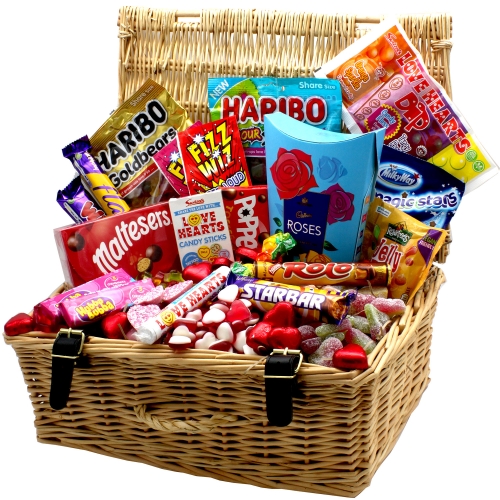
Remember, every box you send is an opportunity to make a positive impact. So, next time you wrap a sweet gift, choose a package that’s as kind to the earth as it is to the recipient.
Your next hamper could be the start of a greener gifting tradition—one that tastes as sweet as it looks.
